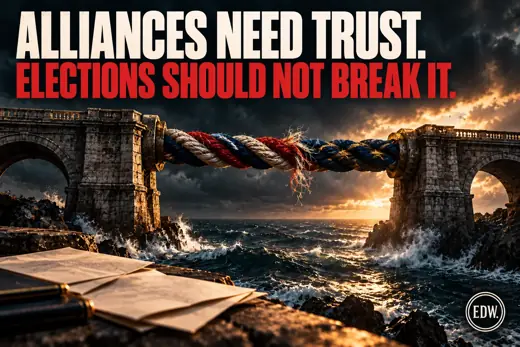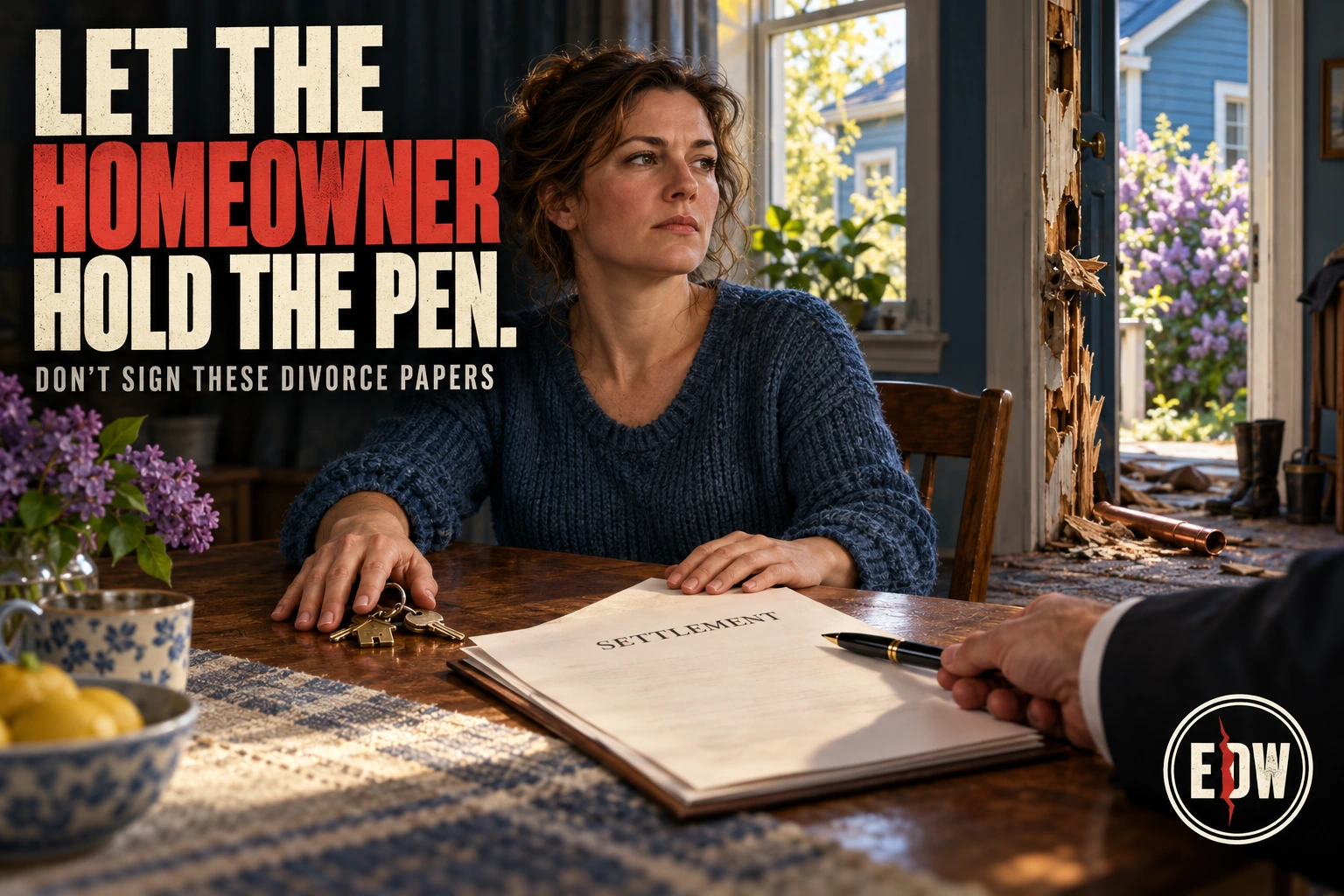
There’s a blue house on Hawthorn Street with a lilac bush that explodes every May. One spring, the owner’s ex kicks in a side door, tears out the copper, drags a mattress into the east wing, and starts forwarding her mail. The neighbors rally. They replace the locks, string cameras under the eaves, and take turns on the couch with a baseball bat. It’s not glamorous, but it’s enough to keep the worst at bay while the lawyers do their work.
Months later, a lawyer she never hired arrives with a “settlement.” The document reads like satire. The east wing (rooms the intruder smashed and rooms he never really held) now belongs to him. The owner must shrink her security to a number the burglar finds comfortable and promise never to join the neighborhood watch. There are “robust guarantees,” though the details will come later. And if she refuses, the hints are clear: the cameras go dark, the couch‑guard gets sent home, and she will be left to negotiate with the man who kicked in her door.
If this were your friend, you’d fire the lawyer and shred the papers.
Now swap the names. The homeowner is Ukraine. The intruder is Russia. The lawyer, in recent reporting, is us. Over the past two weeks, multiple outlets have described a U.S.‑backed peace framework that, at least in its early drafts, would have recognized Russian control over all of Donbas, capped Ukraine’s army near a fixed ceiling, and relegated “security guarantees” to language that reads strong and says little. There were even suggestions, later walked back, that Kyiv faced the loss of intelligence and weapons if it refused to sign by a date circled on someone else’s calendar. The plan has been “refined” since those leak‑era descriptions, trimmed from a longer list of points to a shorter one, but the questions that matter (territory, enforcement, alliance rights) remain foggy where they should be carved in stone. A prominent Washington think tank reviewed what’s known of the draft and, in dry prose, called it unworkable.
The house on Hawthorn Street is not a perfect metaphor. War is uglier than any broken lock. But the moral geometry is the same. A settlement that rewards the break‑in with the deed is not a settlement; it is a pause before the next break‑in. A document that shrinks the victim’s locks while promising the neighborhood will keep an eye out “in principle” is not protection; it is theatre. A process that tells Europe to wait in the foyer while envoys shuttle between Washington and Moscow is not coalition leadership; it is choreography for cameras.
There is a way to write an agreement a friend could live in. You begin by reversing the crime, not laundering it. Stolen rooms are returned, not re‑described. Withdrawal is verifiable: keys handed over, inspectors at the door, dates on a calendar, not compliments on a press release. Security is real: a monitored regime that deters reloads rather than one that caps the homeowner’s dog. “Guarantees” are words with teeth: who does what, by when, and what happens when they don’t. Reparations are tied to assets already frozen, so accountability is more than a sermon. And the victim holds the pen. No one settles her house from a side room she isn’t in.
Call this old‑fashioned if you like. It is also the only way peace ages well. Land‑for‑peace “solutions” impress for a week and then rot. They buy a shorter war now at the price of a bigger war later. They teach every bully with a battalion that borders are rental agreements and hostages are bargaining chips. They tell future aggressors that the path to recognition runs through artillery. That is not stability; it is instruction.
We know the counterarguments. War is hell; supplies are finite; politics at home is a meat grinder; the map is bleeding; the bills are due. All true. But none of that justifies an arrangement that could not pass the Hawthorn Street test. If you would not hand the east wing to the trespasser and call it neighborly, do not hand occupied land to an invader and call it statesmanship. If you would not threaten to cut your friend’s cameras to force her signature, do not threaten to cut a besieged ally’s lifelines to smooth a headline. If you would not tell your friend she cannot join the neighborhood watch, do not tell a sovereign country it must stand outside the security architecture built to keep this continent from catching fire again.
There is another layer here, and it has nothing to do with metaphors. America’s brand, when we deserve it, is not perfection. It is stubborn fairness backed by law. It is the habit of bringing others into the room, putting text where slogans were, and measuring results in reality rather than press clippings. When we are strong, it is because we insist on process over posture and coalition over convenience. When we are weak, we reach for lighting and hope no one notices the missing bolts.
This is a moment for bolts. Bring Europe fully to the table, not as scenery but as co‑authors. Put the hard parts in ink: withdrawal that can be audited, prisoners and children repatriated on a clock, reparations pathways mapped to assets we can actually touch. Tie every relief valve to reversible behavior by Moscow, not to warm feelings. Build a security regime that deters, not one that asks the assaulted to tuck away their defenses and smile. And stop treating Kyiv like a prop in other people’s negotiations. It is a country. It is the homeowner.
We don’t need to borrow the voices of dead generals to say this, but since their names keep getting invoked: real toughness does not ask the victim to tidy up the crime scene so the neighborhood feels calmer. Real toughness does not rename humiliation “peace.” Real toughness hands back the keys, bolts the door, and makes sure the intruder understands what happens if he tries again.
The papers on the table right now may look cleaner than the leak‑era drafts. They may come with new adjectives and nicer fonts. If they still rely on Ukraine conceding territory Russia could not win by force, if they still shrink the locks on the blue house, they are not peace terms. They are bad divorce papers.
Don’t sign them.
Executive Dysfunction Weekly
EDW•